
Electrical ARC Flash Hazard Management Guideline
Introduction
Arc flash is a dangerous electrical hazard that occurs when an electric current passes through the air between conductors or from a conductor to ground. It can result in severe injury, equipment damage, and even fatalities. Effective management guidelines are essential to minimize risks and ensure workplace safety.
Key Principles of Arc Flash Hazard Management
- Risk Assessment: Conduct thorough arc flash risk assessments to identify potential hazards in electrical systems.
- Labeling: Ensure all electrical equipment is properly labeled with arc flash hazard warnings and incident energy levels.
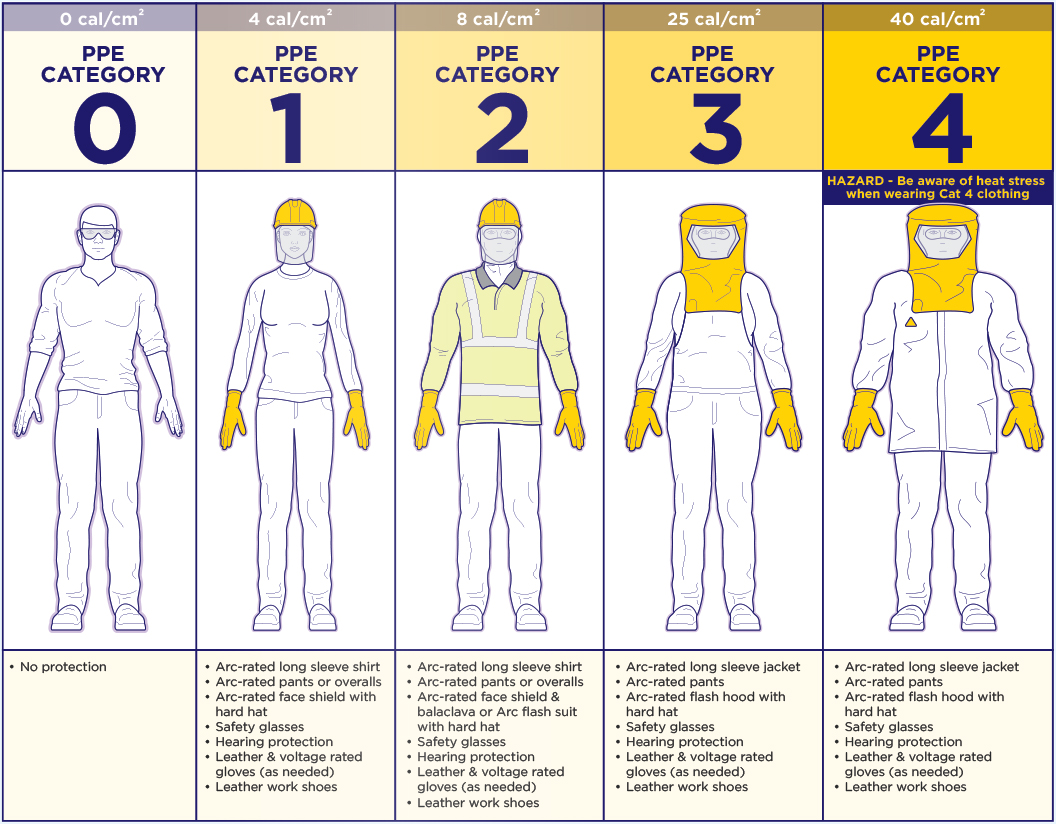
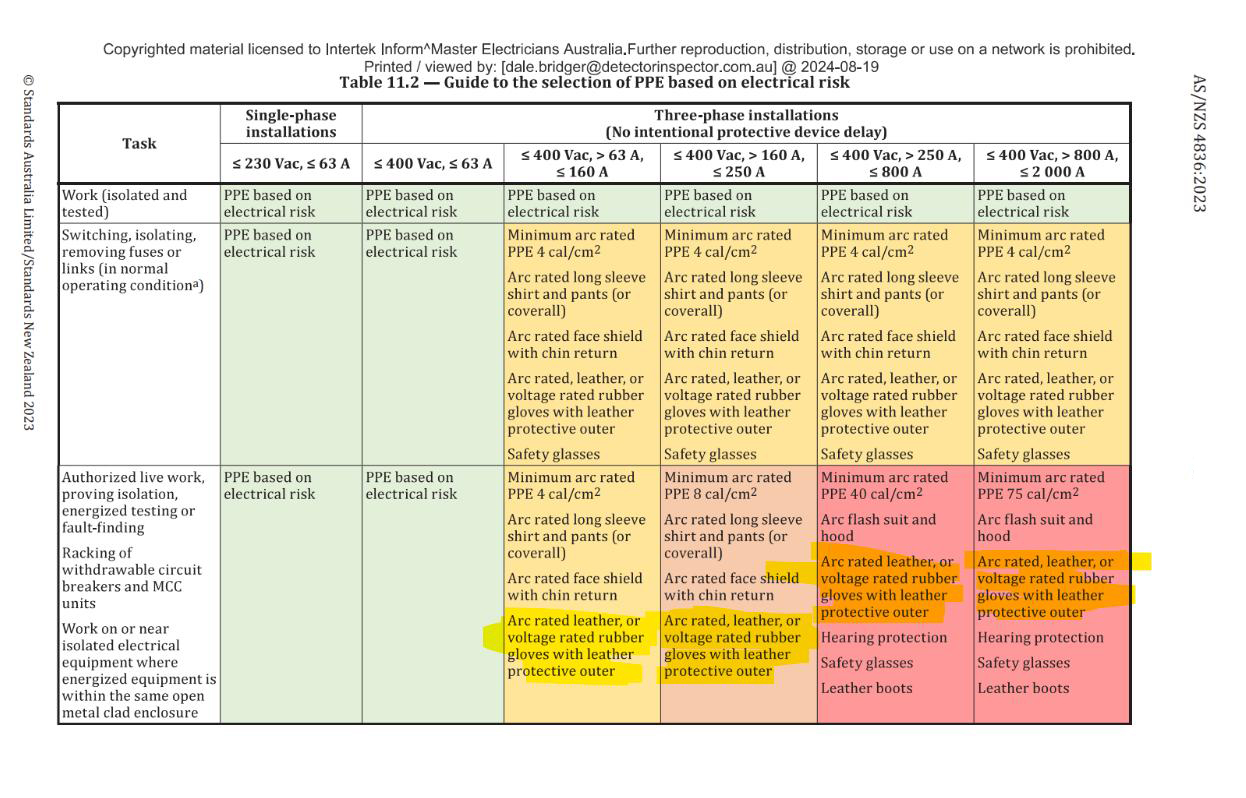
- Personal Protective Equipment (PPE): Provide and enforce the use of appropriate PPE such as flame-resistant clothing, face shields, gloves, and hearing protection.
- Safe Work Practices: Implement lockout/tagout procedures, maintain safe approach distances, and use insulated tools.
- Training and Awareness: Regularly train employees on arc flash hazards, safe work practices, and emergency response.
- Engineering Controls: Design systems with protective devices such as circuit breakers, relays, and arc-resistant switchgear to reduce incident energy.
- Maintenance: Perform routine maintenance and inspections to ensure electrical equipment operates safely and reliably.
Regulatory Standards
Emergency Response
- Establish clear emergency procedures for arc flash incidents.
- Provide first aid training and ensure availability of medical support.
- Investigate incidents to identify root causes and prevent recurrence.
Continuous Improvement
- Regularly review and update arc flash hazard assessments.
- Incorporate lessons learned from incidents and near misses.
- Engage employees in safety culture initiatives to strengthen hazard awareness.
This guideline provides a structured approach to managing arc flash hazards, ensuring compliance with safety standards and protecting workers from severe electrical risks.